
19 Minute Read
From Florida to Greenland: The Researchers Behind the Science
The Significance of Ice-loss to Landscapes in the Arctic (SILA) project began in 2020, but builds on an extensive history of collaboration among U.S. and Greenlandic scientists focused on understanding how landscapes, ecosystems, and water systems have changed following the loss of ice sheets and glaciers since the Last Glacial Maximum (LGM). Their project brings together a team of interdisciplinary researchers spanning paleoceanography, geochemistry, biology and microbiology, and environmental science, with the shared goal of understanding how glacial retreat shaped past climate and ecosystems and continues to shape climate and ecosystems today. Their work has shown that the length of time a landscape has been exposed following ice retreat controls and alters weathering reactions of glacial sediments created by glacier movement. These reactions ripple outward, shaping the export of carbon, nutrients, and gases from the landscapes to the ocean and atmosphere with impacts on ecosystem evolution and climate change.
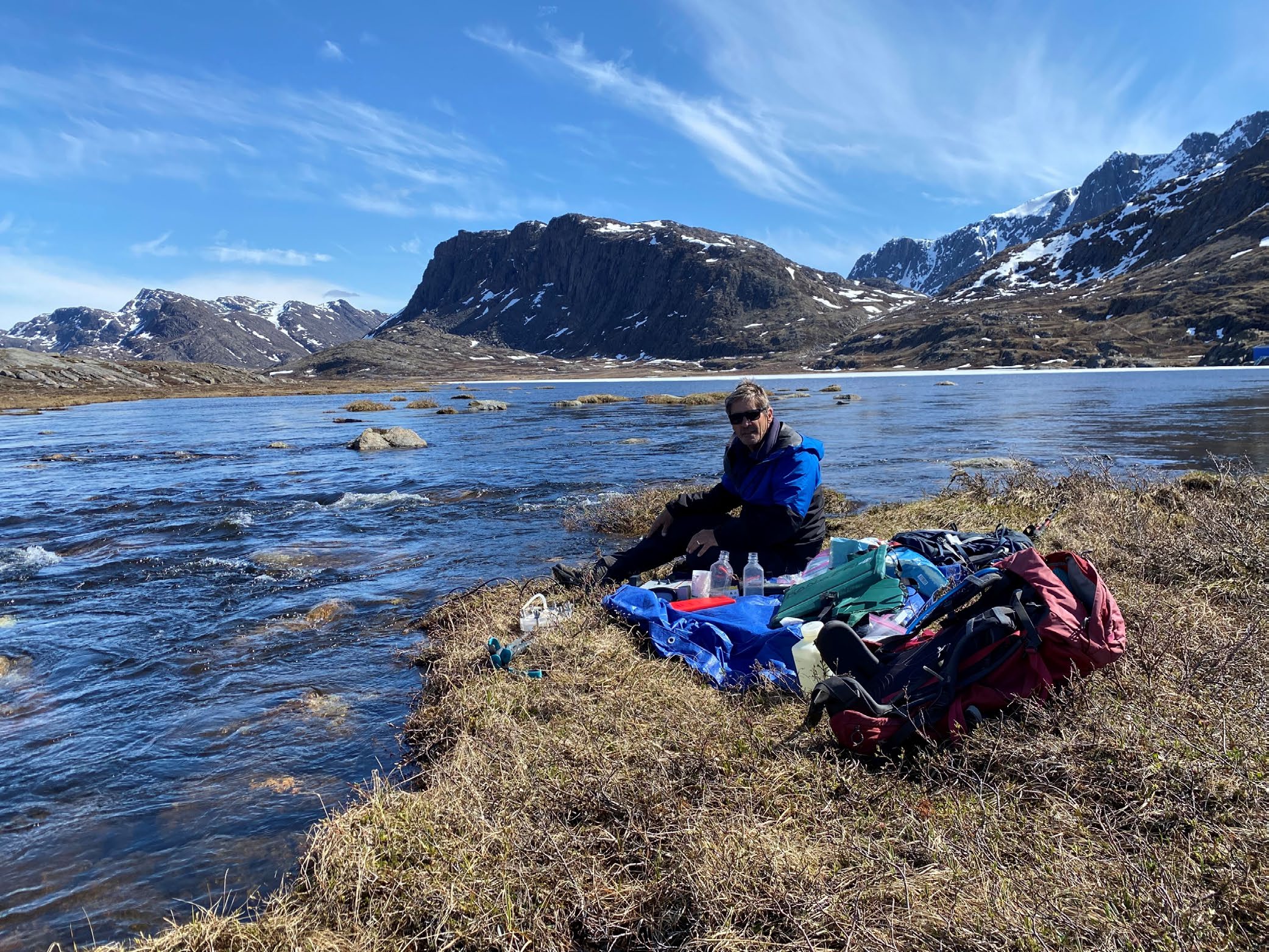
Jon sampling greenhouse gas concentrations at a non-glacial stream outlet for the water supply lake for Sisimiut. Photo Credit: Ellen Martin.
The project’s origins trace back to fieldwork led by its Principal Investigator, Dr. Jonathan Martin, Professor of Geological Sciences at the University of Florida. Jon has long studied the hydrology of karst systems, which are carbonate landscapes shaped by various dissolution features such as caves and sinkholes that control direction and velocity of water flow. About 15 years ago, he realized that similar caves controlled flow through glaciers and developed an exploratory project in Greenland aimed at understanding how ice caves route water from supraglacial systems, down through moulins, into the subglacial system, and out the glacier’s toe. This routing is critical to ice dynamics, as basal water pressure controls ice sliding speeds. The project’s original idea was to apply concepts from studies of karst systems to glaciers, using variations in water chemistry to trace timing and routing of water at the base of the Greenland Ice Sheet.
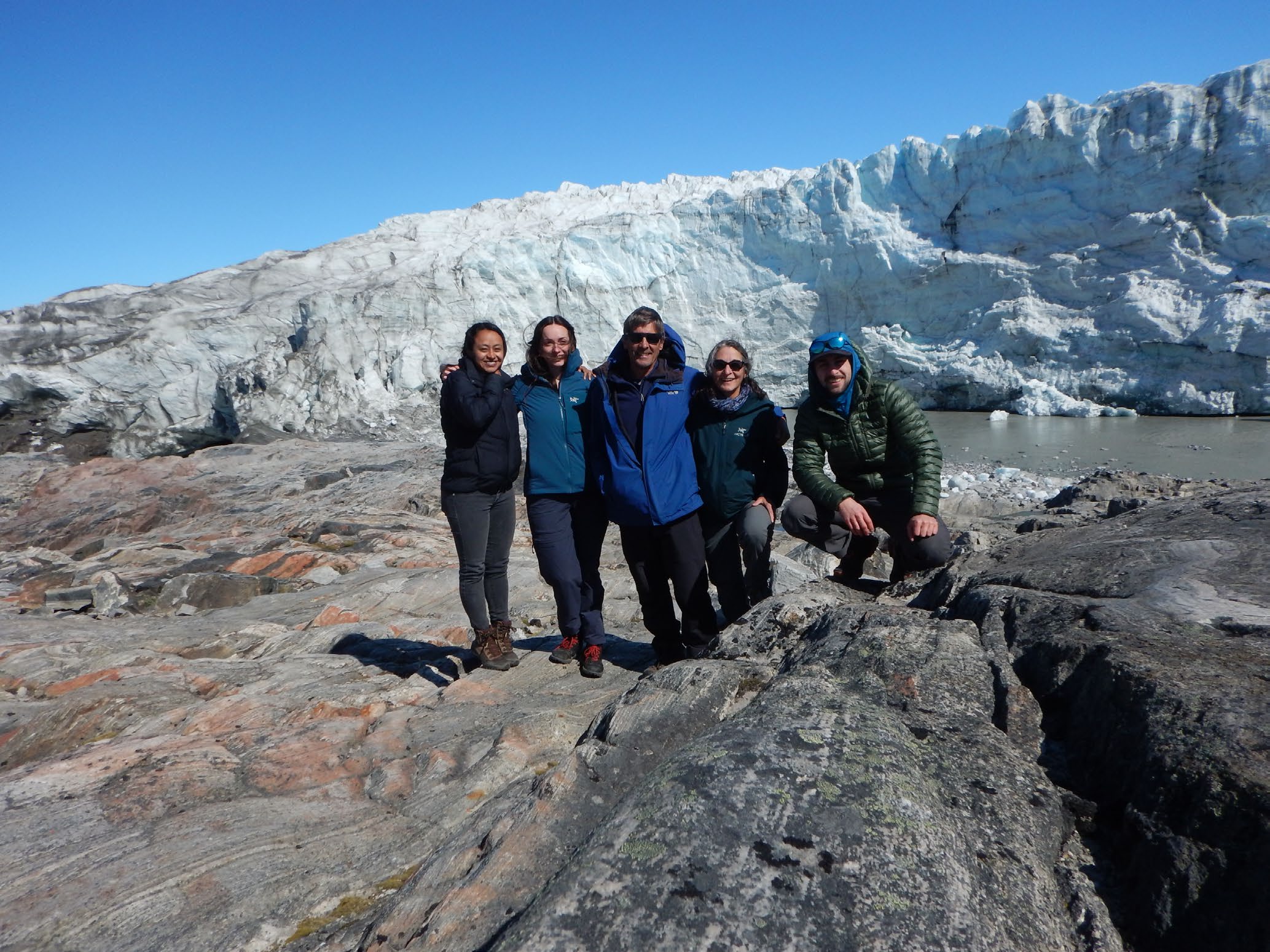
Various members of the SILA team from left-to-right: Tatiana Salinas-Reyes, Chelsey Bomar, Jon Martin, Ellen Martin, James Kowalski. Photo Credit: Ellen Martin.
To initiate the field work, Jon and colleagues flew by helicopter to a remote site in West Greenland and set up camp for a three-week scouting trip. However, after the first two days of reconnaissance, they realized the area lacked the subglacial outlets that they were targeting for sampling. As they continued to explore the region, they realized the landscape drainages consisted of two distinct types of streams, one that drains primarily glacial meltwater and the other disconnected from the ice sheet by hydrologic divides. This observation raised new questions: Do the chemical compositions of the two types of streams differ? If so, do they deliver differing amounts of nutrients to coastal ecosystems, greenhouse gas to the atmosphere, and radiogenic isotopes to deep marine sediments? The question of radiogenic isotopes is where the collaboration with Ellen began for the SILA project.
Dr. Ellen Martin, who is also a Professor in the Department of Geological Sciences at the University of Florida, has long been interested in climate systems. She started her career as a paleoceanographer, using neodymium (Nd) isotopes to reconstruct past ocean circulation and identify connections between ocean circulation, climate, and the carbon cycle. Over time, she linked silicate weathering to carbon cycle research using lead (Pb) isotopes and paleoceanographic methods that can reveal changes in continental weathering and associated changes in ocean chemistry. This work eventually led Jon to propose a collaboration, to further explore the questions of whether and why the radiogenic isotopes delivered to the ocean vary as the ice sheet retreats.
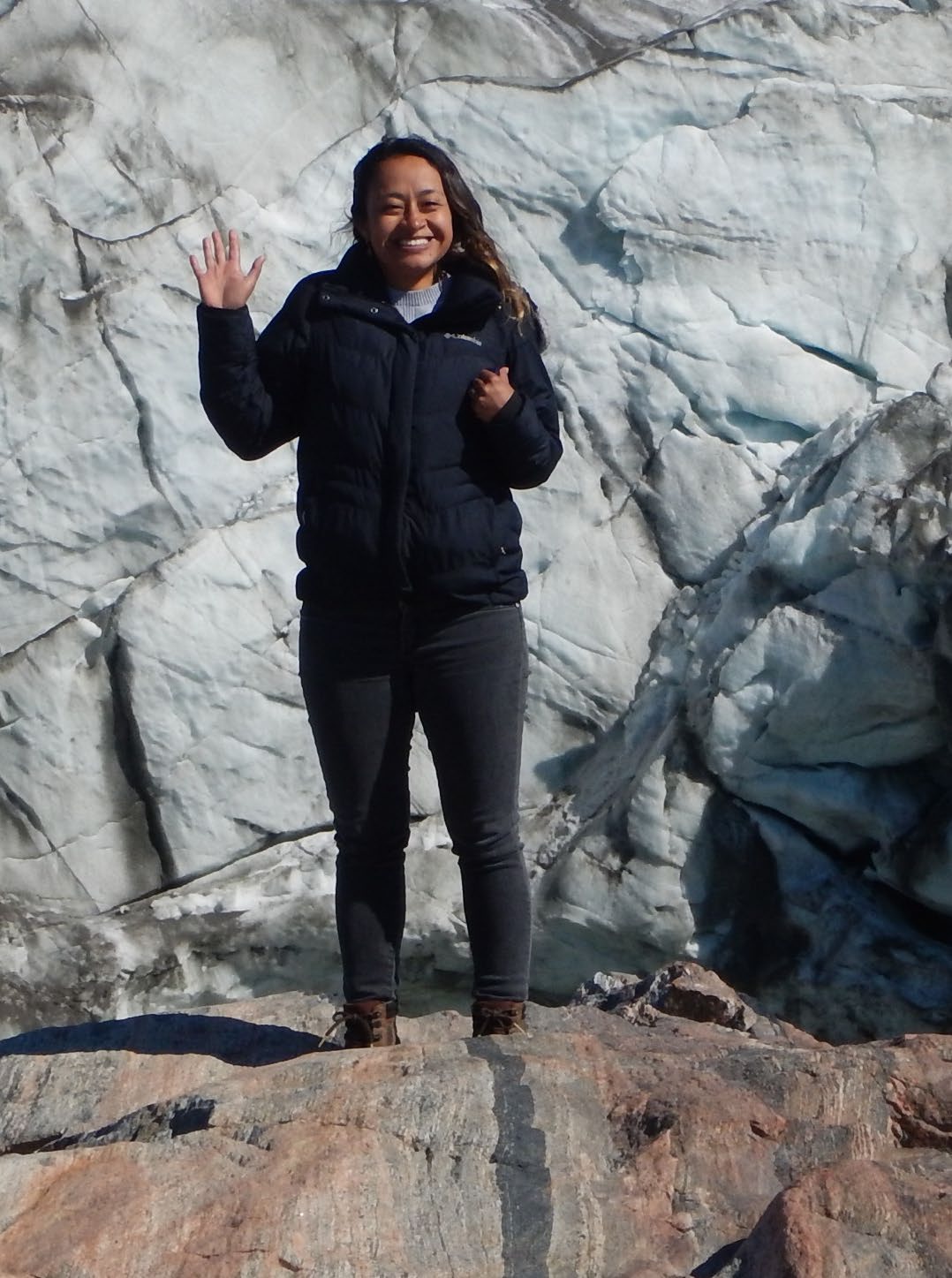
Tatiana Salinas-Reyes standing on bedrock that has been exposed following the retreat of the Russell outlet glacier shown in the background. Photo Credit: Ellen Martin.
Tatiana Salinas-Reyes, a PhD Candidate at the University of Florida who’s originally from Colombia, had no prior experience with Greenland’s cold Arctic conditions, yet quickly adapted. She had discovered a passion for geochemistry early during her undergraduate studies in geology and continued that passion with her master’s research, which focused on hydrogeochemistry, using rare earth elements as tracers of water-rock interactions. A colleague who knew about Tatiana’s interests connected her with Ellen. Impressed by her strong background in geochemistry and hydrologic systems, Jon and Ellen were excited to bring her on as a graduate student, and confident she would thrive doing field work in the Arctic regardless of her tropical roots.
Uncovering a Changing Landscape
During the LGM, global ice sheets covered about 30% of Earth’s land surface. Since then, the world has evolved dramatically as the ice sheets retreated from most of North America and Eurasia. Thus, SILA’s goals are to use currently exposed landscapes in Greenland to understand how they evolved over time as ice retreated, what impacts the exposed landscapes have on modern global elemental cycles, and potential future impacts as ice retreat accelerates with continued global warming.
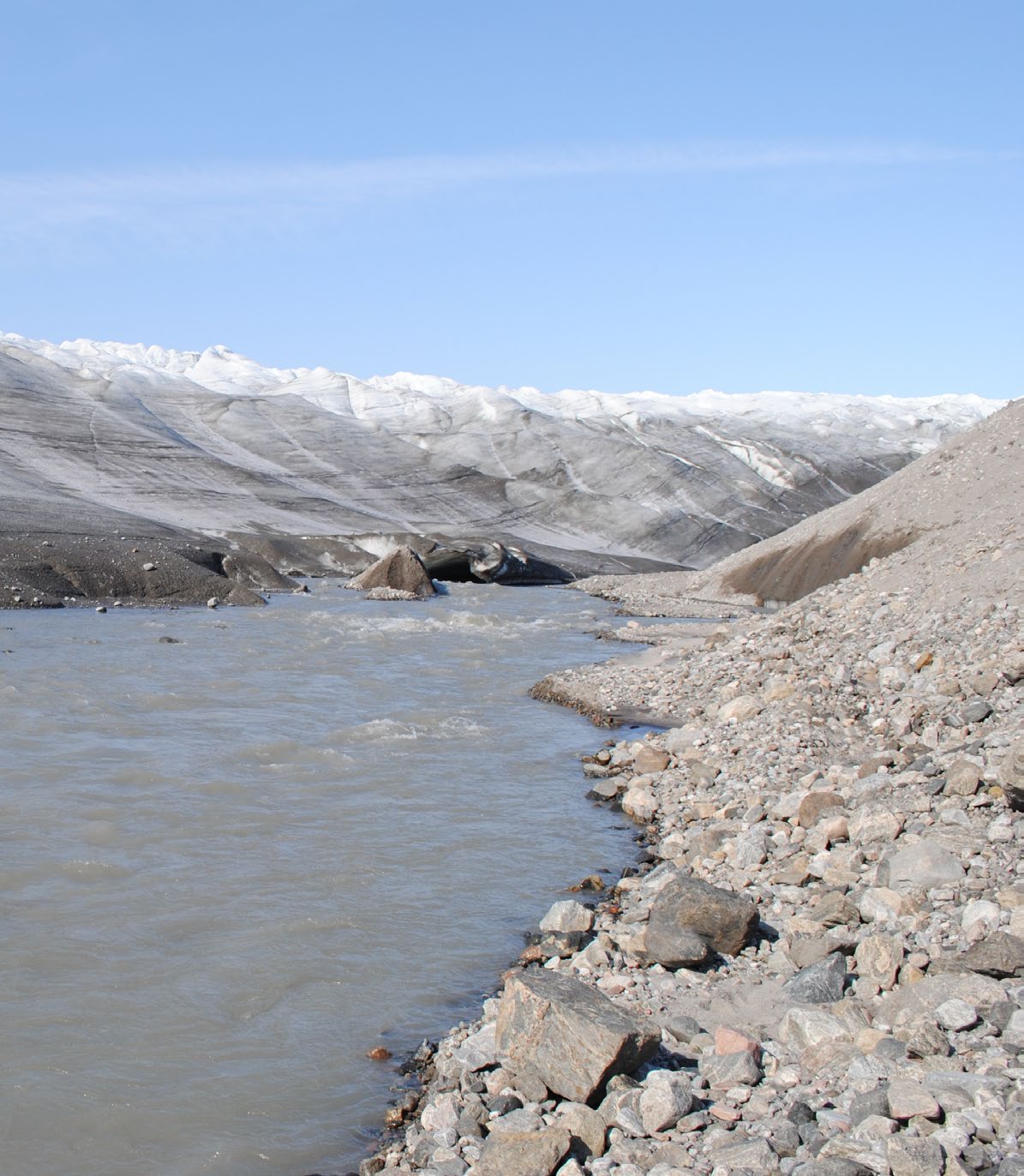
The Akuliarusiarsuup Kuaa, a proglacial stream draining the Greenland Ice Sheet. Photo Credit: Ellen Martin.
The SILA team’s technical approach relies on space-for-time substitution, where their main transect in Greenland runs from the ice edge to the coast, spanning about 170 kilometers and 10,000 years of exposure age. The inland watersheds near the Greenland Ice Sheet were exposed recently, while the coastal watersheds along this transect were exposed about 10,000-11,000 years ago, giving mineral phases a wide range in their history of weathering. Each SILA researcher plays a distinct role in exploring the geochemical, ecological, and biological controls of these changes across the transect. By combining the interdisciplinary roles, the SILA team has found multiple differences in the stream water chemistry, driven by preferential weathering of particular mineral suites present across the watersheds.
Jon’s focus on this project, along with organizing logistics of the field work and coordinating the interdisciplinary aspects of the project, is analyzing the dynamics between the water flow and reactions that control water chemistry. He is particularly interested in how these two processes interact to control greenhouse gas and nutrient export from the landscape.
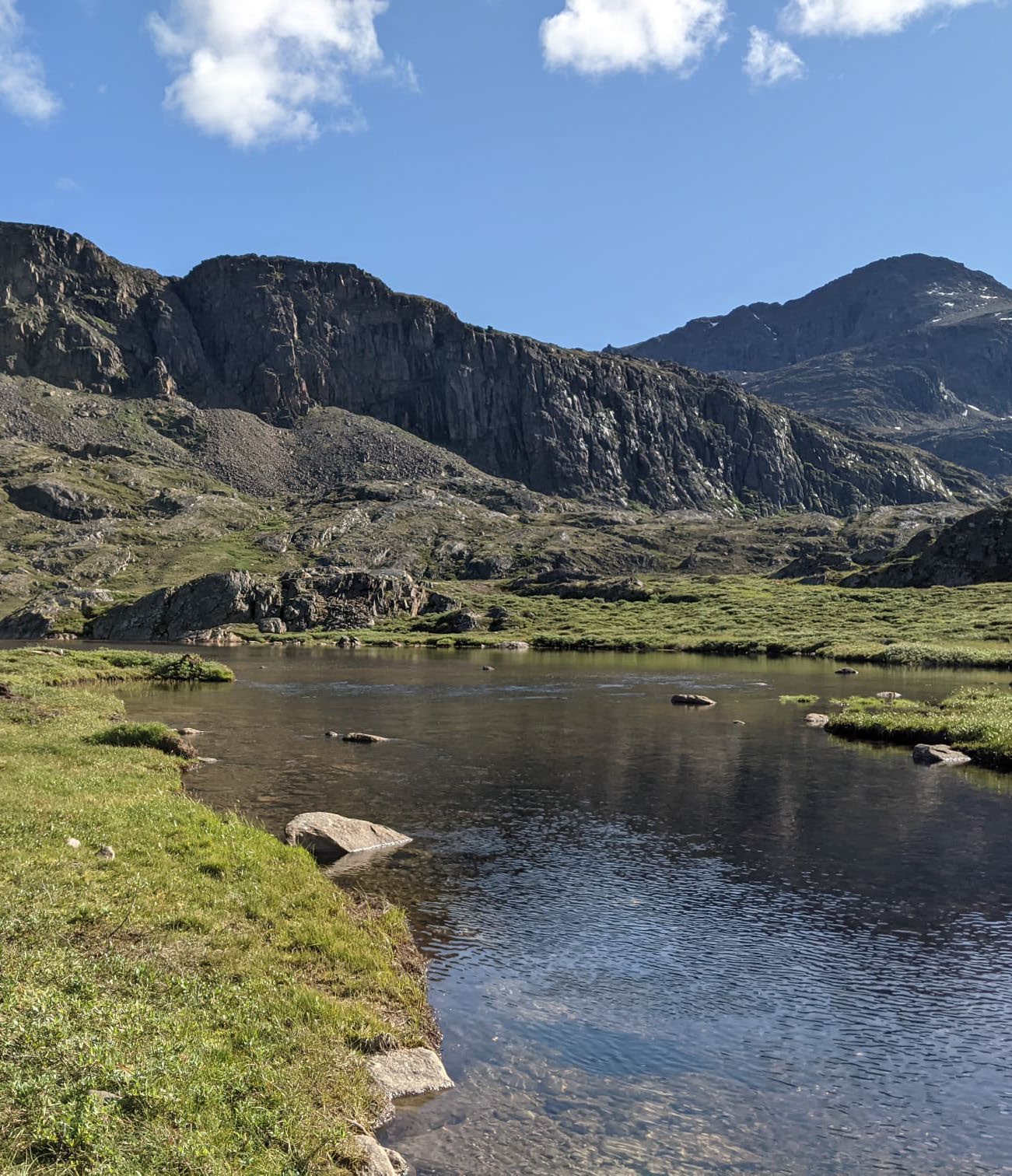
An unnamed non-glacial stream near the town of Sisimiut. Photo credit: Jon Martin.
Ellen uses changes in radiogenic isotopes in the bedload sediments and stream waters across the transect to test ideas about why proxies for the seawater chemistry in the North Atlantic record a dramatic increase in Pb isotopes and a decrease Nd isotopes across glacial terminations that culminate in anomalously low Nd values during early stages of interglacial intervals. Many scientists had suggested this pattern reflects weathering of fresh material deposited as the glaciers retreated, an idea that previously had not been thoroughly tested. Results from the SILA project document variations in isotopic fluxes across the transect that provide a detailed explanation for the paleoceanographic observations.
Tatiana’s role in the SILA project is to constrain the mineral weathering story by comparing the stream water chemistry with the chemical compositions of individual mineral species. This comparison allows the team to determine the sequence through time of mineral weathering and thus how those weathering reactions change with exposure age. One of the most interesting findings from these results is the identification of climate-driven processes that affect weathering reactions, which in turn influence landscape evolution. Tatiana’s research resulted in the creation of the dataset published at the Arctic Data Center:
- Tatiana Salinas-Reyes, Jonathan Martin, & Ellen Martin. (2025). Mineralogical composition, trace element concentration, and radiogenic isotope ratios of mineral separates of bedload from four southwestern Greenland streams (collected 2013 & 2017). Arctic Data Center. doi:10.18739/A2CC0TW1F.
As part of this same research, Tatiana and colleagues published a related paper on this work in Nature Communications Earth and Environment:
- Salinas-Reyes, J.T., Martin, E.E., Martin, J.B. et al. Changes in terrestrial weathering following glacial retreat reveal processes altering North Atlantic neodymium isotopes. Commun Earth Environ 7, 188 (2026). https://doi.org/10.1038/s43247-026-03220-9
Getting the Data
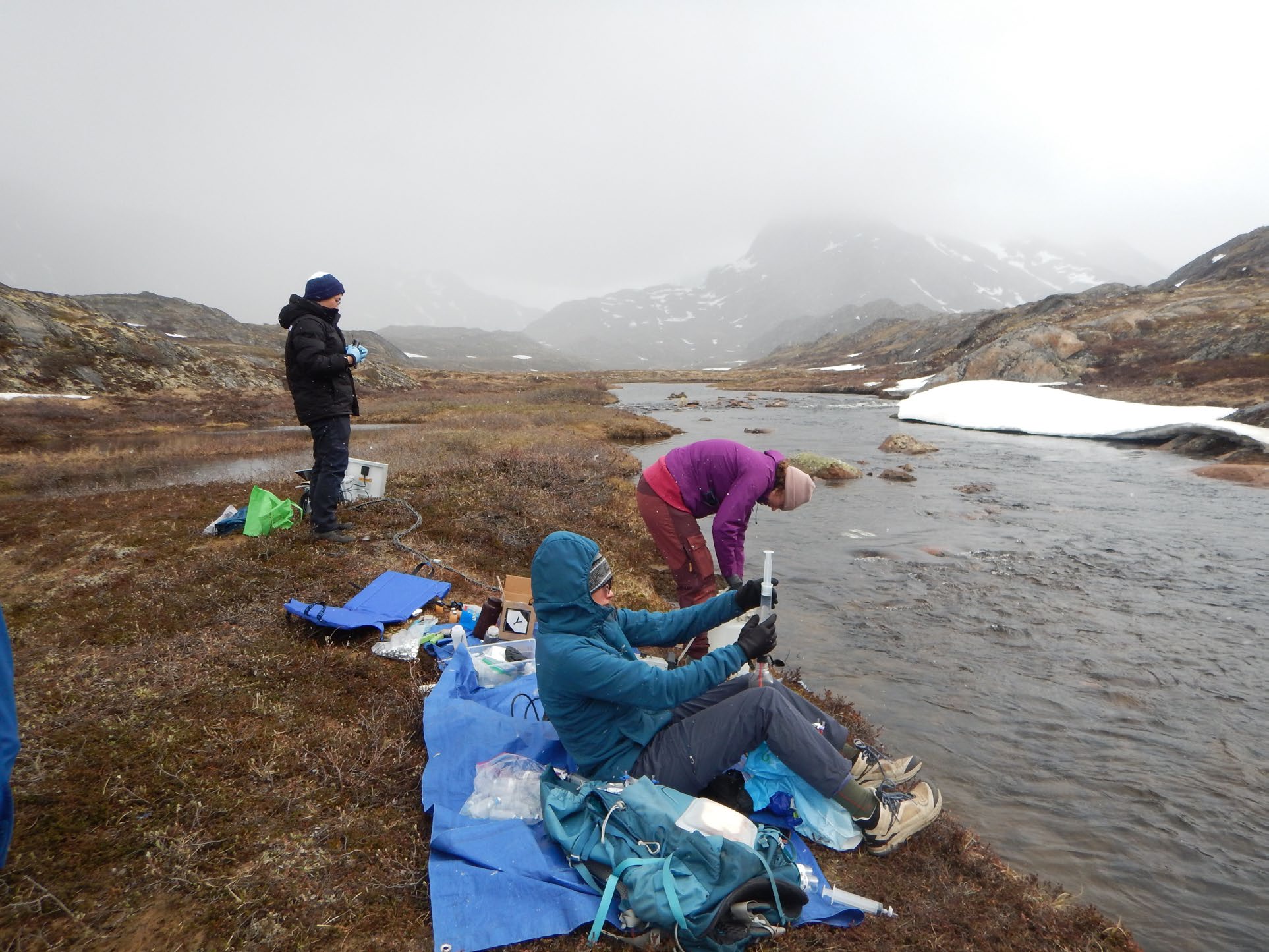
Chelsey, Quinsey, and Yuseung sampling a non-glacial stream near Sisimiut. Photo Credit: Ellen Martin.
Much of the field work consists of collecting stream water, suspended sediment, and bedload samples. Using the bedload sediment samples, Tatiana used various methods to separate individual mineral species. She initially separated sediments by grain size to select the best fraction for microscopic analyses, then she used heavy liquids to separate samples into different density fractions. The most time-consuming task was handpicking grains under the microscope, which required time and patience to isolate enough of each mineral species for chemical analyses. Individual mineral species were then analyzed using mass spectrometry to measure elemental concentrations and isotopic compositions. This methodology sets this research apart because of its focus on individual mineral species from the Greenland transect as a way to understand weathering processes. A unique aspect of this study is that the team collected colocated water and sediment samples from the Greenlandic watersheds, allowing them to observe how weathering evolves in a natural setting, rather than simulating these processes in a laboratory.
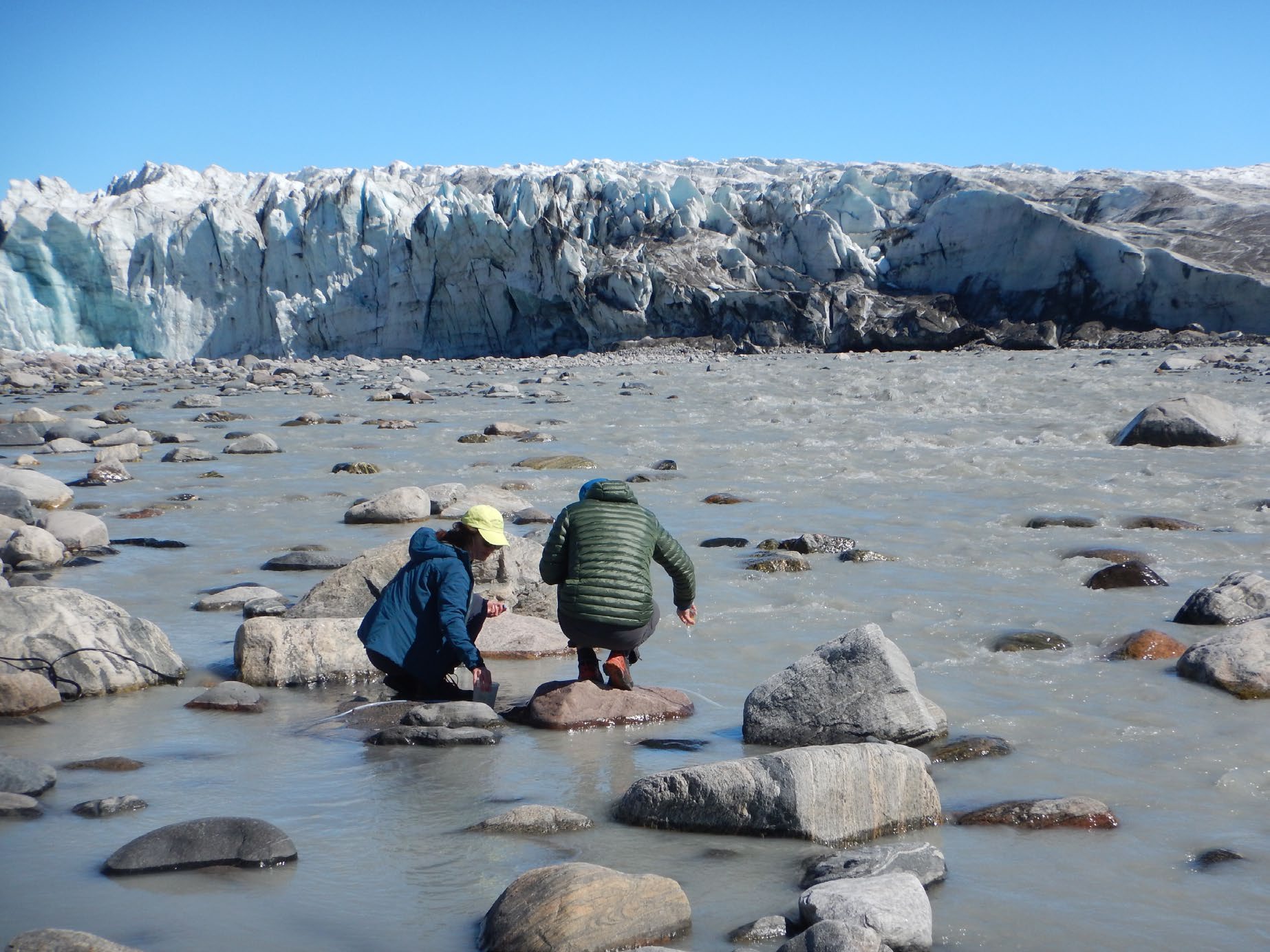
Chelsey and James sampling the Akuliarusiarsuup Kuaa proglacial river near the Russell Glacier. Photo Credit: Jon Martin.
The biggest sampling challenge was preserving the finest grain size fractions while collecting the sediments. Chemical and physical weathering with exposure age could shift the size distribution, and therefore, careful control was essential. The team worked to avoid disturbing the sediment when collecting the bedload samples to ensure a representative sample of all grain sizes. Additionally, picking an adequate number of grains using binocular microscopes was critical to achieving a strong signal during inductively coupled plasma mass spectrometric (ICP-MS) analysis, which proved valuable for identifying minerals that were difficult to differentiate visually.
Tracing the Story of Greenland’s Minerals
Results indicate little differences between the sediment samples that were collected in the same location but during different field seasons, which was unsurprising since bedload composition doesn’t change on a yearly timescale. However, chemical differences emerged when comparing sediment samples across the transect, likely due to some watersheds being exposed longer and undergoing more extensive weathering. Mineralogy remained largely consistent across all watersheds, although the abundances of minerals varied.
Looking Ahead
When asked about technological advancements that would help the SILA team and beyond, Tatiana believes the development of sensors capable of quantifying weathering fluxes for both bedload and suspended sediments, as well as solute export, would be valuable. Such sensors would alleviate some of the complexities of time series sampling in remote locations. Another technological innovation Tatiana hopes for is the ability to use remote sensing to track Arctic permafrost thawing in order to study the weathering of reactive mineral surfaces that were initially frozen within the ice and have been exposed as permafrost thaws. Lastly, she notes that new methods for efficient mineral separation would cut down on time and toxicity to researchers.
Working in the Arctic
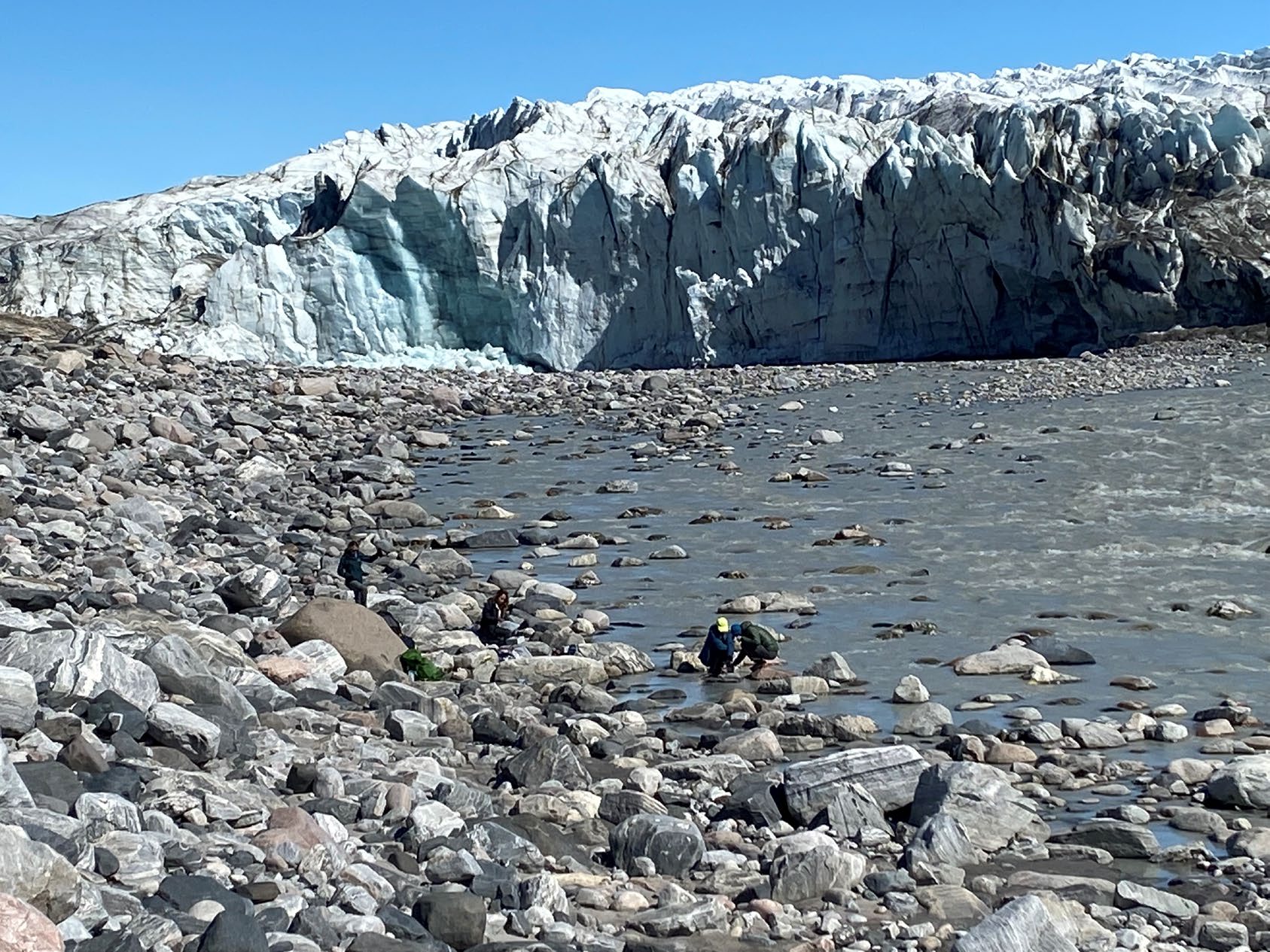
Chelsey and James sampling the Akuliarusiarsuup Kuaa proglacial river near the Russell Glacier. Photo Credit: Jon Martin.
Field logistics added a unique set of challenges to working in the remote Arctic. With 20 people spread across the watershed sites near the coast and ice sheet over four months for two summers, the SILA team had to do an intricate logistical dance to keep the right people in the right place at the right time. This dance was complicated by the lack of roads between sites and Greenlandic weather, which often grounds flights between locations. The group’s highly interdisciplinary framework also required learning to work together while simultaneously learning other disciplines’ sampling protocols. These interactions were useful in that they strengthened their collaboration and communication across the team. Even when the COVID-19 pandemic forced the team to shift from communal living to isolation protocols while managing sickness and availability, they adapted quickly. Their team still managed to accomplish what they set out to do during the first field season, which was plagued by COVID.
Weather brought its own unpredictability beyond travel problems. The timing of the start of the melt season is never fully certain, yet the SILA team remained flexible, working against the clock and the environment to capture the correct window each year. One year proved to be particularly snowy, with multiple feet of snow still blanketing the watershed upon arrival, which forced an adjustment of the team’s timeline as they waited for the snow to melt and streams to start flowing. Equipment challenges tested the team’s resourcefulness too. When a key instrument, a cavity ring-down spectrometer, which is used to measure carbon dioxide and methane concentrations and carbon isotope ratios, stopped working, the SILA team had to shift gears for sample analyses. They shipped the instrument back to the US-based laboratory where it was successfully repaired. They then had to archive samples as they were collected for shipment to the US lab for later analyses. Fortunately, in the end, all samples were collected and measured.
Connecting Arctic Landscapes to a Changing Global Climate
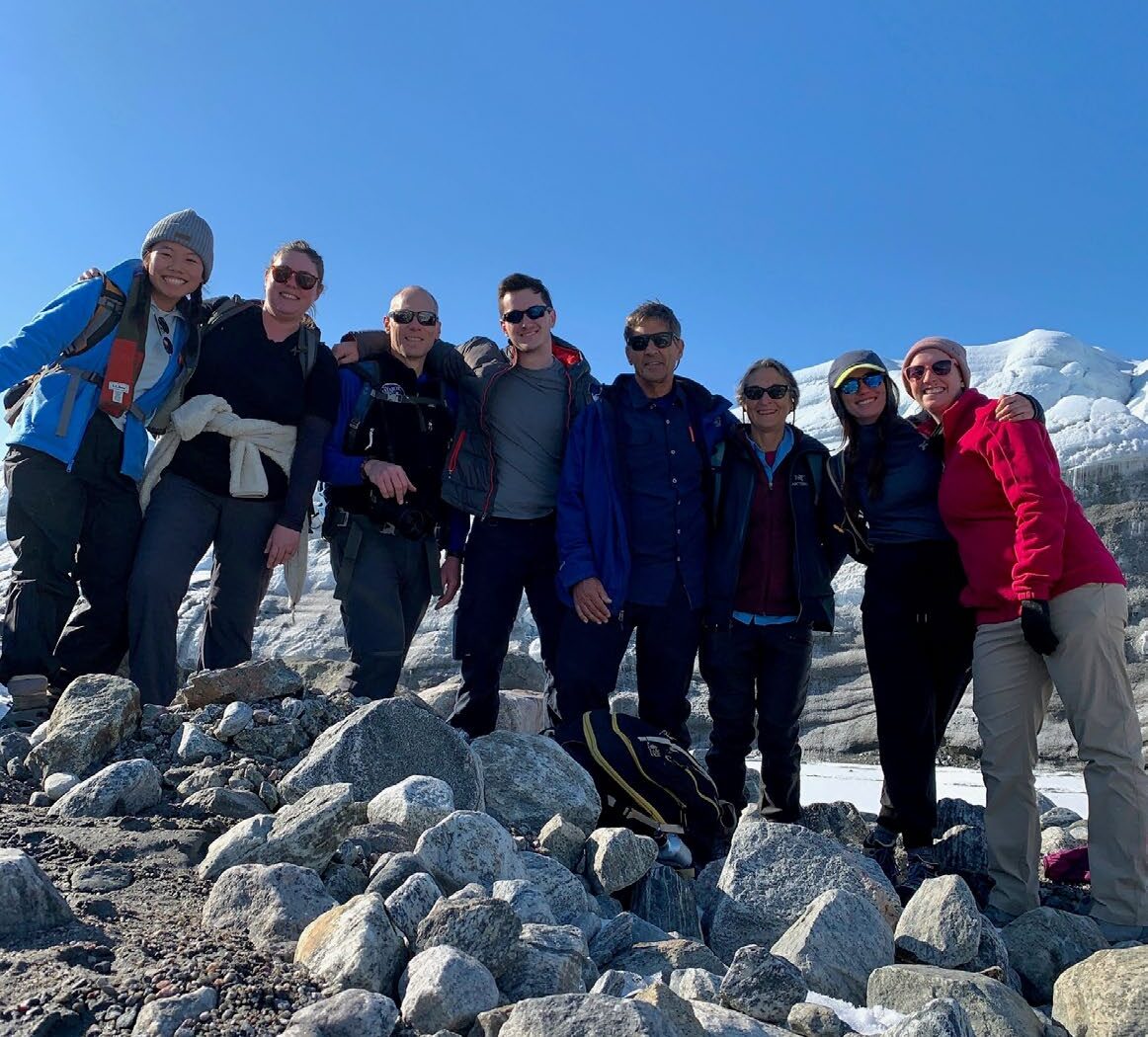
Various members of the SILA team from left-to-right: Emily An, Andrea Pain, Brent Christner, Justin Ellena, Jon, Ellen, Chelsey Bomar, Quincy Faber. Photo Credit: Emily An.
The changes taking place in Greenland’s landscapes do not occur in isolation. The SILA team sees this work as one piece of a much larger picture, with connections to disciplines ranging from biology and hydrology to oceanography and social science. Jon explains that nutrients exported from these landscapes ultimately support both terrestrial and marine Arctic ecosystems. The chemical signatures in water also provide tracers for researchers to evaluate the sources of water and its solute compositions. At the same time, variations in greenhouse gas fluxes across the gradient of exposure ages provide insights into how environmental changes in the Arctic with increasing exposure age interact with the climate system. Bringing these perspectives together allows researchers to better understand how Arctic terrestrial ecosystems can influence global cycles of greenhouse gases, nutrients, and radiogenic isotopes.
For the SILA team, understanding these connections also means finding ways to communicate Arctic research beyond the scientific community. The team has worked to build relationships with local communities in Greenland, which have strong influences from both Inuit and Danish cultures. In fact, Sila is an Inuit name, used to represent not so much a deity as a broader concept of the environment itself. Using community relationships, they have explored ways to translate their research into educational materials for Greenlandic high schools based on their findings. They noted that this process has required time and relationship-building, particularly because the questions scientists bring to a project do not always align with the more local questions and priorities of communities. Still, their efforts reflect an important part of Arctic research: making scientific knowledge accessible and finding ways for it to contribute to conversations happening both within and beyond the research community.
Advice for Future Arctic Scientists
Drawing on their extensive research experience, Ellen and Jon stress the importance of building connections with communities and scientists. As traveling to the Arctic without prior connections can be difficult, particularly in remote areas, they recommend that new researchers seek out established research groups to try to join existing projects. Although most large Greenlandic towns are connected by aircraft or boats, many remote areas lack infrastructure for easy travel or supplies. Building relationships with people in Greenlandic communities and with local scientists can ease logistical complications, as well as improve scientific results.
Building a Shared Resource for Arctic Research
As a large interdisciplinary team, SILA researchers had data scattered across different locations, often solely in laboratory computers or personal laptops, with no centralized location for disciplinary but related datasets. When Jon discovered the Arctic Data Center’s data portals tool, their team made a deliberate effort to consolidate their dispersed datasets into one discoverable location, both for their own use and for the wider science community. Their data portal reflects the team’s broader effort to make their data accessible and usable by others. Jon noted that the Arctic Data Center’s data curators played a crucial role in helping their team improve their data archives and make them easily accessible, understandable, and reproducible. He and the team have valued the human element of the Center’s data curation and support process for researchers in the community.
Visit the SILA data portal and discover the project’s related datasets in one place.
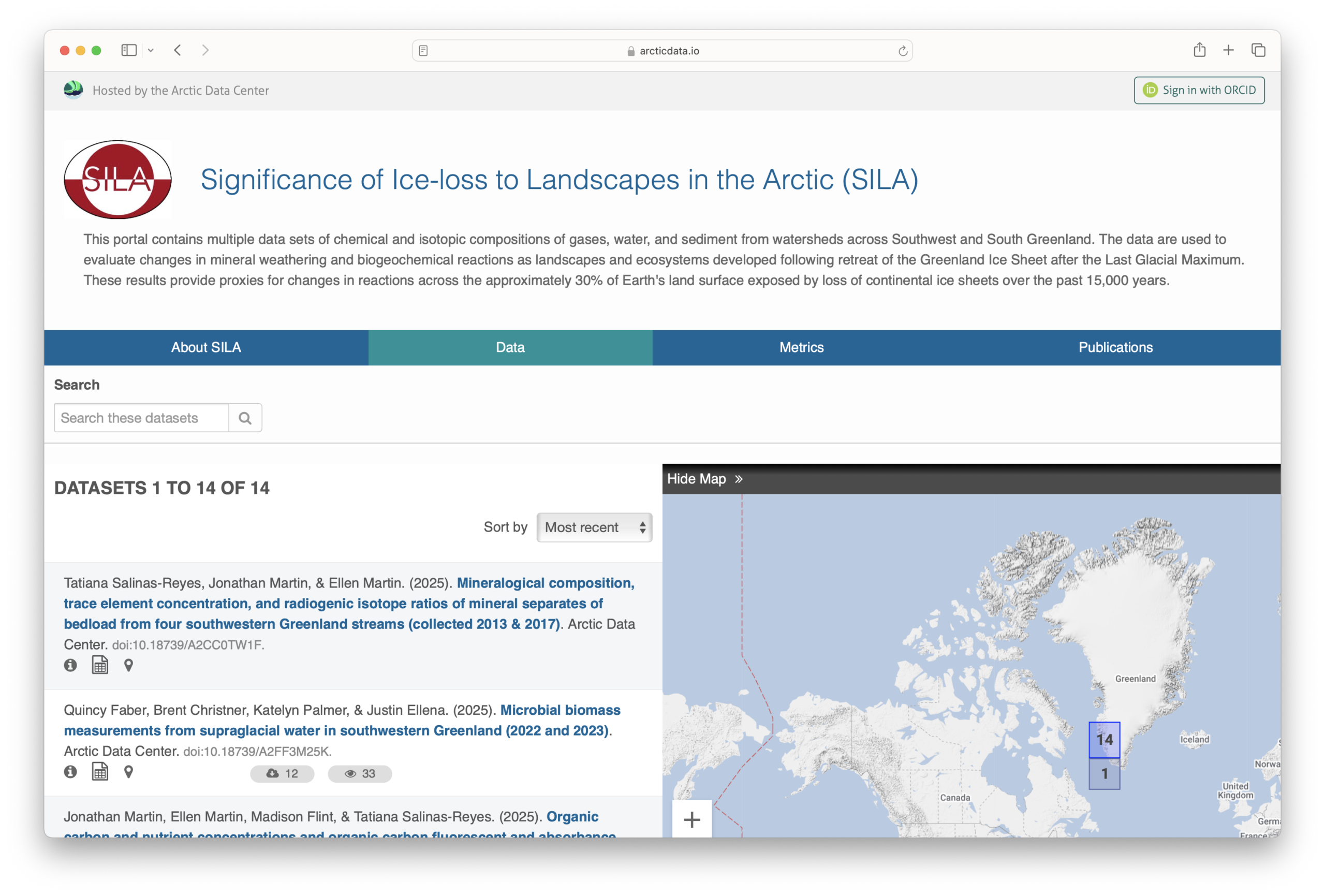
Screenshot image of the SILA data portal, accessible on the Arctic Data Center.
Written by Angie Garcia and Nicole Greco
Community Engagement and Outreach Coordinators